Digital Transformation in Finance: Best Practices for eSignature Adoption
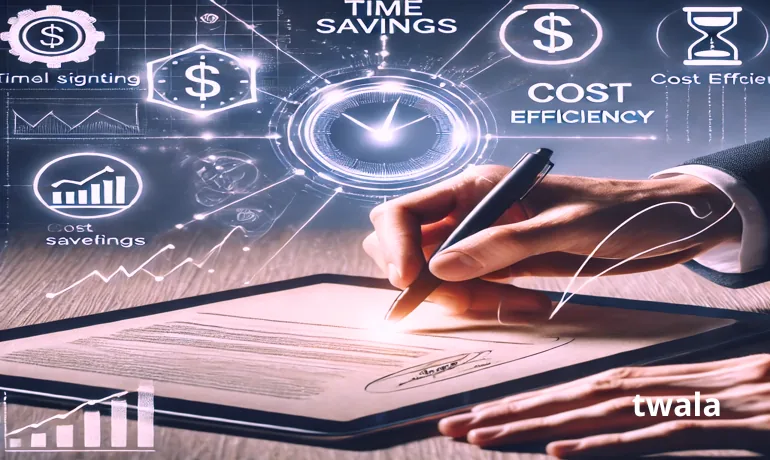
eSignatures provide a faster and more convenient alternative to traditional wet signatures, which often require physical presence, paper-based documentation, and manual verification. In a sector as competitive and heavily regulated as finance, the benefits of eSignature adoption are substantial:
- Improved Efficiency - Automating document signing reduces turnaround times for loan approvals, account openings, and other critical processes.
- Enhanced Security - Advanced eSignature solutions offer encryption, biometric verification, and audit trails, ensuring the authenticity and integrity of signed documents.
- Cost Savings - Eliminating paper, postage, and storage costs can result in significant savings.
- Better Customer Experience - Clients can sign documents remotely, enhancing convenience and satisfaction.
Best Practices for eSignature Adoption in Finance
1. Select a Compliant eSignature Solution
Select a provider whose solutions comply with Philippine regulations and international standards. Essential features include:
- Multi-Factor Authentication (MFA): Enhances security by requiring multiple forms of verification.
- Audit Trails: Maintain a comprehensive log of signing events for transparency and accountability.
- Data Encryption: Protects sensitive information from unauthorized access.
2. Incorporate Legal and Regulatory Expertise
Collaboration between legal, compliance, and IT teams is essential. Institutions should:
- Consult Legal and Compliance Experts: Regularly review eSignature policies in light of Philippine laws and BSP guidelines.
- Conduct Risk Assessments: Identify and mitigate risks associated with electronic transactions, including fraud and data breaches.
3. Standardize Processes Across the Organization
A unified approach to eSignature implementation ensures consistency and minimizes risks. Key steps include:
- Define Scope and Use Cases: Determine which transactions, such as loan agreements or account applications, are suitable for eSignatures.
- Establish Policies and Procedures: Document protocols for signer verification, data storage, and document retention.
- Train Employees and Educate Customers: Build trust by demonstrating the security and convenience of eSignatures.
4. Enhance Security Measures
Given the growing threat of cybercrime in the Philippines, financial institutions must prioritize security. Best practices include:
- Biometric Authentication: Use fingerprint or facial recognition for added protection.
- Time-Stamping and Blockchain: Record precise timestamps and consider blockchain for tamper-proof documentation.
- Regular Audits and Updates: Periodically review eSignature systems to address vulnerabilities and stay ahead of emerging threats.
5. Integrate eSignatures with Digital Banking Platforms
Seamless integration of eSignature solutions with existing systems, such as mobile banking apps and customer relationship management (CRM) platforms, enhances user experience and operational efficiency.
Overcoming Challenges in eSignature Adoption
Despite its benefits, eSignature adoption faces hurdles in the Philippines:
- Digital Divide: Limited internet access in rural areas can hinder the adoption of eSignatures. Financial institutions must invest in mobile-friendly solutions and offline capabilities.
- Customer Trust and Awareness: Some customers may distrust digital signatures. Awareness campaigns and clear communication about security measures can help build confidence.
- Regulatory Complexity: Balancing compliance with innovation requires continuous engagement with regulators and updates to internal policies.
The Future of eSignatures in the Finance Sector of the Philippine
The Philippine government and financial regulators are actively promoting digitalization to enhance financial inclusion and economic growth. Initiatives like the National Strategy for Financial Inclusion (NSFI) and the Digital Payments Transformation Roadmap support the wider adoption of eSignatures.
Emerging technologies, such as blockchain and artificial intelligence (AI), are expected to further strengthen eSignature systems by improving fraud detection, ensuring document integrity, and enhancing user verification.
Discover how eSignatures are transforming the way financial institutions in the Philippines operate. From streamlining processes to enhancing security, they’re reshaping modern banking. Ready to elevate your digital transactions? Learn how adopting best practices can ensure compliance, protect your data, and deliver a seamless experience for your customers. Let’s future-proof your financial services—contact us or book a free demo now!